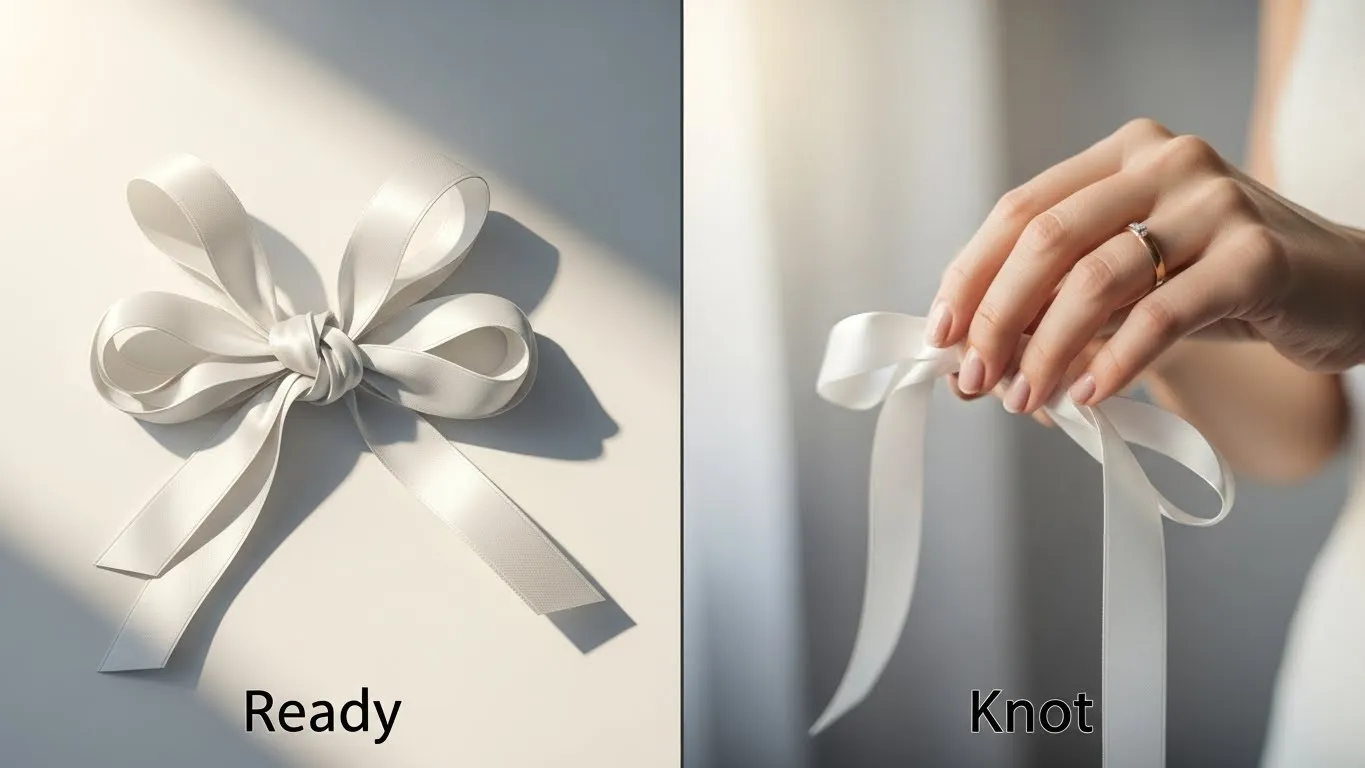
Have you ever typed a sentence like “I am knot ready yet” and then stopped to wonder if it looks wrong? You are not alone. Many people search for “ready or knot” because these two words sound very similar when spoken. This makes them easy to mix up, especially in fast typing, texting, or casual writing.
The confusion often comes from pronunciation. In spoken English, knot and not sound the same, and some learners also confuse knot with ready when forming sentences.
Spellcheck does not always help because knot is a real word. This leads to errors in emails, school work, social media posts, and even professional documents.
This article clears that confusion once and for all. You will learn what ready means, what knot really means, and why they are never interchangeable.
We will also look at spelling rules, common mistakes, real-life examples, and usage trends. By the end, you will know exactly which word to use and when, with full confidence.
Ready or Knot – Quick Answer
Ready means prepared or able to do something.
Knot means a tied loop in rope or string.
They do not mean the same thing and cannot replace each other.
Examples:
- ✅ I am ready for the meeting.
- ❌ I am knot for the meeting.
- ✅ He tied a knot in the rope.
- ❌ He tied a ready in the rope.
The Origin of Ready or Knot
The word ready comes from Old English ræde, meaning prepared or quick to act. Over time, it kept the idea of being set to do something.
The word knot comes from Old English cnotta, meaning a tied loop or binding. It has always been linked to ropes, strings, and later to complex problems (like “a knotty issue”).
The confusion exists because English has many homophones—words that sound alike but have different meanings and spellings. Knot sounds like not, which adds to the mix-up in writing.
British English vs American English Spelling
There is no spelling difference between British and American English for ready and knot. Both varieties use the same spellings and meanings.
Comparison Table
| Word | British English | American English | Meaning |
|---|---|---|---|
| Ready | Ready | Ready | Prepared |
| Knot | Knot | Knot | Tied loop |
Which Spelling Should You Use?
- US audience: Always use ready when you mean prepared.
- UK/Commonwealth audience: Same rule. Use ready for preparation.
- Global English: Use ready in all contexts about being prepared.
Use knot only when talking about ropes, hair, strings, or tangled things.
Common Mistakes with Ready or Knot
Here are frequent errors people make:
❌ I am knot ready to leave.
✅ I am not ready to leave.
❌ She is knot coming today.
✅ She is not coming today.
❌ The scout learned how to ready a rope.
✅ The scout learned how to tie a knot.
Tip: If you can touch it or tie it, use knot. Otherwise, use ready.
Ready or Knot in Everyday Examples
Emails
- I am ready to start the project.
- The package string has a tight knot.
News
- The team is ready for the final match.
- Sailors fixed a damaged knot in the rope.
Social Media
- Vacation mode: ready!
- My headphones are in a knot again.
Formal Writing
- The system is ready for launch.
- Remove any knots before use.
Ready or Knot – Google Trends & Usage Data
Search data shows ready is used far more often worldwide. It appears in work, education, sports, and daily life.
Knot has lower search volume and is mostly used in:
- DIY and crafts
- Sailing and camping
- Hair and fashion
- Problem-solving phrases
Most searches for “ready or knot” come from learners trying to fix spelling or grammar mistakes, especially in South Asia, the Middle East, and ESL regions.
Comparison Table: Ready vs Knot
| Feature | Ready | Knot |
|---|---|---|
| Part of speech | Adjective | Noun |
| Meaning | Prepared | Tied loop |
| Used in daily talk | Very common | Limited |
| Confused with | Not | Not |
| Physical object | No | Yes |
FAQs: Ready or Knot
1. Is “knot ready” ever correct?
No. It is always wrong in standard English.
2. Why do people confuse ready and knot?
Because knot sounds like not when spoken.
3. Can knot mean prepared?
No. Knot never means prepared.
4. Is this a British vs American issue?
No. Both use the same spelling and meaning.
5. What is the correct sentence?
“I am not ready yet.”
6. Can spellcheck miss this error?
Yes. Knot is a real word.
7. How can I avoid mistakes?
Read the sentence aloud and check meaning.
learn more : Airplane or Aeroplane: Which Spelling Is Correct ?
Conclusion
The confusion between ready or knot is common, but the rule is simple. Ready means prepared. Knot means a tied loop. They never replace each other. The mistake often happens because knot sounds like not, and fast typing makes the error easy.
There is no difference between British and American English here. The spelling and meaning stay the same across all regions. If you are writing for work, school, or online, using the correct word matters. A small mistake can change meaning and hurt clarity.
To stay correct, ask yourself one question: Am I talking about preparation or about rope? If it is preparation, choose ready. If it is rope, choose knot. This simple check will keep your writing clean, clear, and professional.

Oliver Lexon focuses on English vocabulary clarity and usage accuracy. His writing breaks down confusing word pairs and grammar topics into simple explanations with real-life examples, making English easier for non-native speakers.