

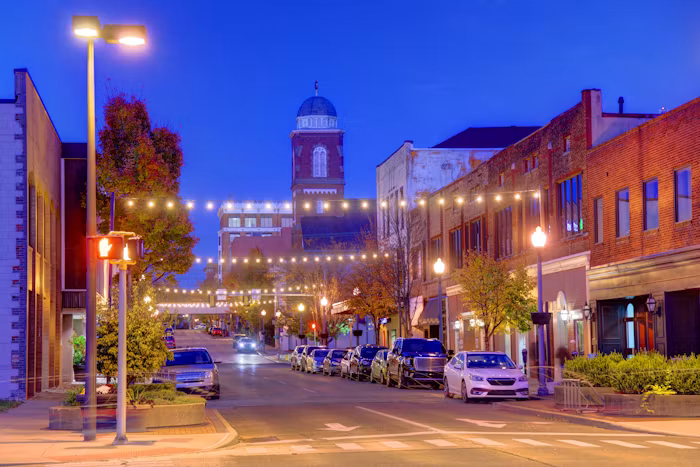
The Engineering Challenge of Extreme Heat on Municipal Grids
In regions where ambient temperatures frequently exceed 45°C, municipal electrical grids face unprecedented thermal stress. Legacy infrastructure, particularly high-pressure sodium (HPS) lamps, experiences catastrophic failure rates under these extreme environmental conditions.
The inability of traditional fixtures to dissipate heat effectively leads to rapid component degradation. Consequently, this frequent hardware replacement creates crippling budgetary pressures for urban planners and municipal maintenance departments.
To mitigate these continuous operational disruptions, modern city planning demands a paradigm shift toward highly resilient, solid-state lighting infrastructure engineered specifically for harsh climates.
Core Specifications for Climate-Resilient Lighting
When municipalities scale up their smart city projects in extreme climates, relying on standard commercial fixtures or fragmented supply chains is a critical engineering error. High-ambient temperatures and abrasive sandstorms require rigorous thermal management testing and guaranteed IP66-rated ingress protection.
Sourcing heavy-duty infrastructure directly from a certified LED lighting manufacturer WOSEN ensures strict international quality control. This strategic procurement prevents premature hardware failure and significantly reduces overall maintenance overhead in harsh environments.
Industrial-grade specifications must form the baseline of any public tender. Anything less risks compromising the integrity and longevity of the entire municipal lighting network.
Thermodynamics: Mastering Heat Dissipation in Solid-State Lighting
The Impact of Junction Temperature on Luminous Efficacy
The correlation between thermal stress and photonic output is a critical metric in solid-state lighting.
- Elevated Junction Temperature directly accelerates lumen depreciation within the semiconductor diode.
- Prolonged exposure to trapped heat shifts the color chromaticity, compromising nighttime visibility parameters.
- Without aggressive thermal mitigation, the structural integrity of the LED chip degrades, drastically shortening the operational lifespan.
Advanced Die-Cast Aluminum Housings
Passive cooling mechanisms are essential for sustaining stable operation in high-heat outdoor environments.
- Aerodynamic die-cast aluminum housings maximize surface area for optimal heat dissipation.
- Precision-engineered heat sinks channel thermal energy away from the sensitive electronic drivers and LED modules.
- These advanced housings prevent internal heat buildup without relying on vulnerable mechanical cooling components.
Solar Integration for Off-Grid Urban Expansion
Expanding urban infrastructure into remote highways or newly developed districts demands innovative power solutions.
- Integrating solar arrays with robust LiFePO4 batteries provides resilient, off-grid illumination.
- These localized power systems completely eliminate the astronomical costs associated with underground trenching and grid extension.
- LiFePO4 technology maintains high cycle stability and discharge efficiency, even during extreme daytime heat cycling.
Budgeting ROI: Initial CAPEX vs. Maintenance OPEX
Analyzing municipal infrastructure through a strictly financial lens reveals the distinct advantage of high-end LED deployment. While the initial CAPEX (Capital Expenditure) for climate-resilient fixtures is higher, the financial return is realized rapidly.
The near-zero maintenance requirements and elimination of mechanical cooling demands drastically lower the long-term OPEX (Operational Expenditure). This shift stabilizes municipal budgets over the 15-to-20-year lifespan of the asset.
Adherence to Global Thermal and Photometric Standards
To guarantee long-term operational stability, climate-resilient urban infrastructure must exceed baseline local codes and align with international engineering frameworks.
A fundamental challenge in high-lumen outdoor fixtures is the thermal management of high-power LEDs, a critical scientific discipline focused on removing heat from the semiconductor junction.
By strictly adhering to these advanced thermodynamic principles, city planners can ensure their infrastructure investments survive decades of extreme thermal cycling.
Conclusion: Paving the Way for Resilient Smart Cities
Future-proofing municipal grids requires abandoning outdated lighting technologies in favor of thermally resilient, industrial-grade solid-state systems. By prioritizing strict engineering standards and advanced heat dissipation, urban planners can establish a reliable, sustainable foundation for global smart city deployment.
