

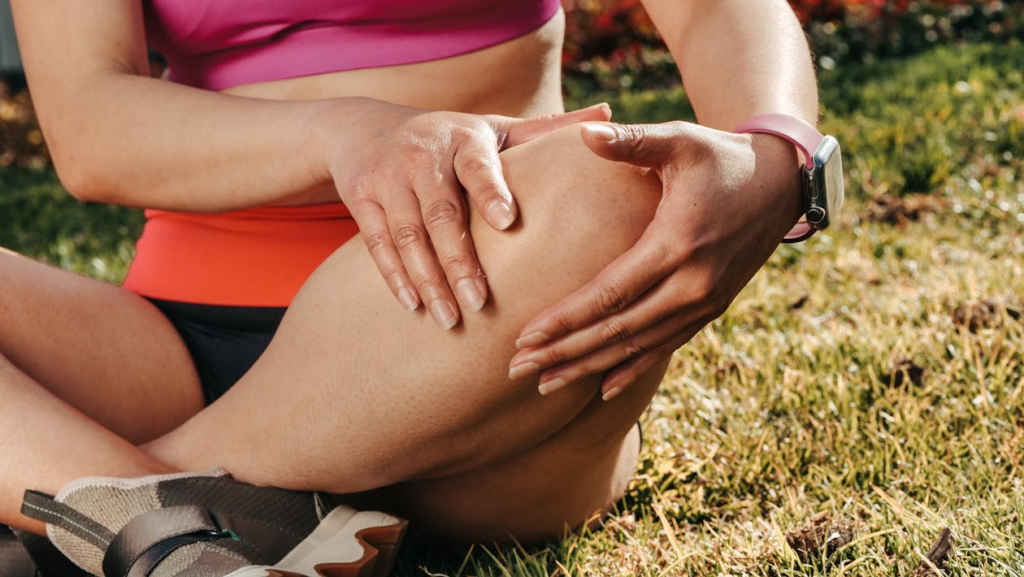
Pain can be confusing. You may feel it in your knee, shoulder, hip, or head, then later learn that the cause may be linked to another part of the body. This can feel strange, but it is common because the body functions as a single, connected system.
Pain does not always point to the exact place where the problem began. A sore knee may be affected by the hip, foot, or lower back. A painful shoulder may be linked to the neck or upper back. A headache may be related to tension in the neck or jaw. This is one reason a full assessment matters. It helps determine whether the pain is local, movement-related, or referred from elsewhere.
An Osteopathic assessment often looks at how the body moves as a whole. This can help show why one area hurts, even when another area may be part of the cause.
The Body Works as One Connected System
The body is made of joints, muscles, nerves, ligaments, tendons, and soft tissues that all work together. When you walk, lift, sit, turn, or bend, many parts of the body share the work. If one area is stiff, weak, painful, or moving poorly, another area may take on extra strain.
For example, if your ankle does not move well, your knee may have to change how it works when you walk. If your hip is weak, your lower back may work harder to keep you steady. If your upper back is stiff, your shoulder may have to move in a less balanced way.
The painful part may be the area that is working too hard, rather than the place where the problem first started. This is why treating only the sore spot may not always give long-term relief. The sore spot is important, but the source may be somewhere nearby.
What Is Referred Pain?
Referred pain means pain is felt in one area while the source is in another. This can happen because nerves from different parts of the body can share pathways to the brain. The brain may then read the signal as coming from a related area.
A simple example is neck-related pain that is felt in the shoulder or arm. Lower back problems can sometimes cause pain in the buttocks, hip, or leg. Jaw tension may contribute to some headaches or facial pain.
Referred pain can be mild or strong. It may feel dull, sharp, aching, burning, or heavy. Some people also feel tingling, pins and needles, numbness, or weakness. These symptoms can give helpful clues during an assessment.
How Nerves Can Make Pain Travel
Nerves support communication between the brain, muscles, organs, and other body parts. If a nerve becomes compressed or irritated, symptoms may develop in the area it serves.
For example, irritation near the lower back may cause pain that travels down the leg. A neck issue may lead to symptoms in the arm, hand, or fingers. This does not always indicate serious damage, but nerve symptoms should be carefully assessed.
An osteopath may check muscle strength, reflexes, and skin sensation if nerve pain is suspected. These checks help show whether the symptoms are linked to nerve irritation, joint movement, muscle tension, or another cause.
Posture and Daily Habits Can Shift Pain
Pain can build from small daily habits. Long hours sitting at a desk, sleeping in an awkward position, carrying a heavy bag on one side, or always standing with more weight on one leg can all affect how the body shares load.
The body can cope with some strain for a while. Then pain may appear. It may seem sudden, but the stress behind it may have been building for weeks or months.
Working at a desk is a common example. A poor screen height may lead to neck strain. Neck strain may then link to headaches or shoulder pain. A chair that does not support the lower back may affect the hips and legs. Small changes, repeated often, can have a real effect.
Compensation: When One Area Works Too Hard
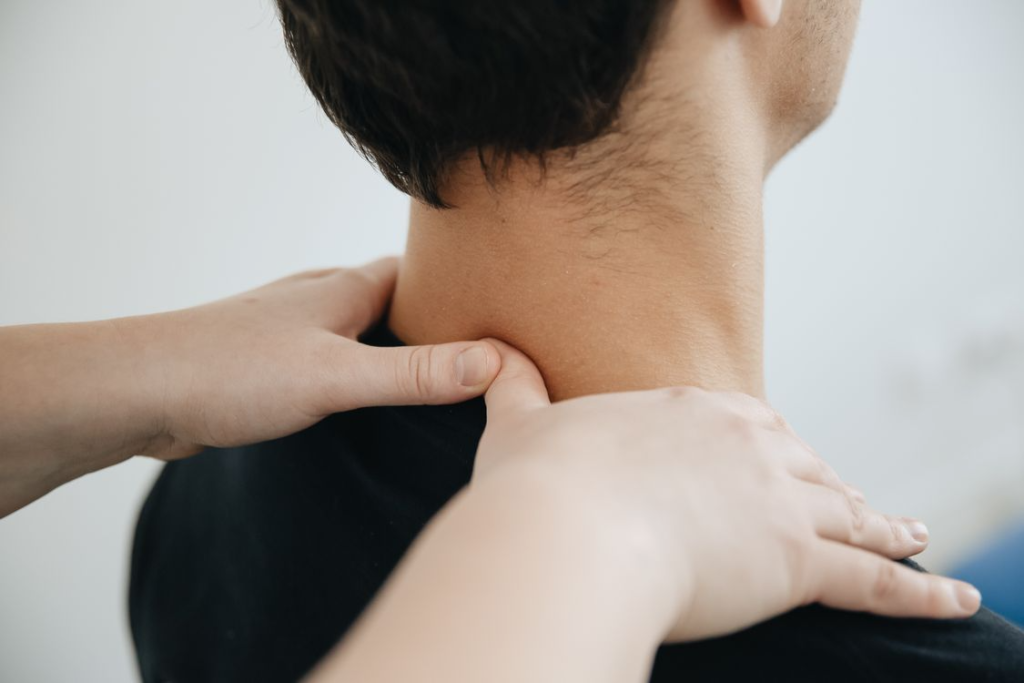
Compensation occurs when one area changes its function to protect or support another area. This can be helpful in the short term. If you sprain an ankle, you may limp for a few days to avoid pain. That is normal.
The problem starts when compensation lasts too long. Limping can place extra strain on the knee, hip, or lower back. Avoiding one-sided movement can cause neck tension. Weak glute muscles can alter how the knee and hip function during walking, stair climbing, and other activities.
This is why pain in one area may be the final result of a chain of changes. The body adapts, then adapts again, then complains when the system gets overloaded.
Common Pain Patterns That May Start Elsewhere
Knee Pain
Knee pain may start in the knee itself, but it can also be affected by the hip, foot, ankle, or lower back. If the hip muscles do not guide the leg well, the knee may take extra strain. If the foot rolls in too much, the knee may move less steadily.
Lower back issues may also refer to pain near the hip, thigh, or knee. This is why a knee assessment may include checks of the hip, foot, and spine.
Shoulder Pain
The shoulder itself does not always cause pain felt in the shoulder. It can start in the joint, nearby muscles, or tendons, and it can also be referred from the neck or upper back. Problems affecting the neck joints or nerves can cause discomfort to spread into the shoulder or arm.
A stiff upper back can affect how the shoulder blade moves. If the shoulder blade does not move well, the shoulder may become sore during lifting, reaching, or desk work.
Headaches
Some headaches may relate to tension in the neck, jaw, shoulders, or upper back. This does not mean all headaches come from these areas. Headaches have many causes, and some need medical care. Still, neck tension and jaw clenching can add stress to the head and face area.
If headaches are new, severe, linked to injury, or paired with symptoms such as vision changes, weakness, fever, or confusion, medical help should be sought.
Hip Pain
Hip pain can come from the hip joint, muscles, tendons, or nearby soft tissues. It can also be linked to the lower back or pelvis. Lower back joints and nerves may refer pain into the hip or buttock area.
Weakness around the glutes can also change how the hip works. This may affect walking, stairs, running, or standing for long periods.
Why Pain Location Alone Is Not Enough
Pain location gives useful clues, but it does not tell the whole story. Two people may both have shoulder pain, yet one may have a local shoulder issue while the other may have neck-related pain. Each person’s care plan would be different.
This is why guessing based only on the sore area can lead to poor results. A better approach is to assess movement, strength, nerve signs, posture, health history, and daily habits. That gives a clearer view of what may be causing the pain and what may help.
How an Osteopath May Assess Pain That Starts Elsewhere
An osteopath may ask about your symptoms, past injuries, work setup, exercise habits, sleep, stress, and general health. They may assess how you stand, walk, bend, twist, and move the painful area.
They may also check nearby areas. For shoulder pain, this may include the neck and upper back. For knee pain, this may include the hip, foot, and lower back. Hip pain may include the pelvis and spine.
Osteopaths in the UK must be registered with the GOC. This means they are regulated health professionals and must meet set standards for safety and care.
If you are seeking local support, Arc Osteopathy is one clinic that offers osteopathic care for people with muscle, joint, and movement concerns.
Why Treating Only the Painful Area May Not Be Enough
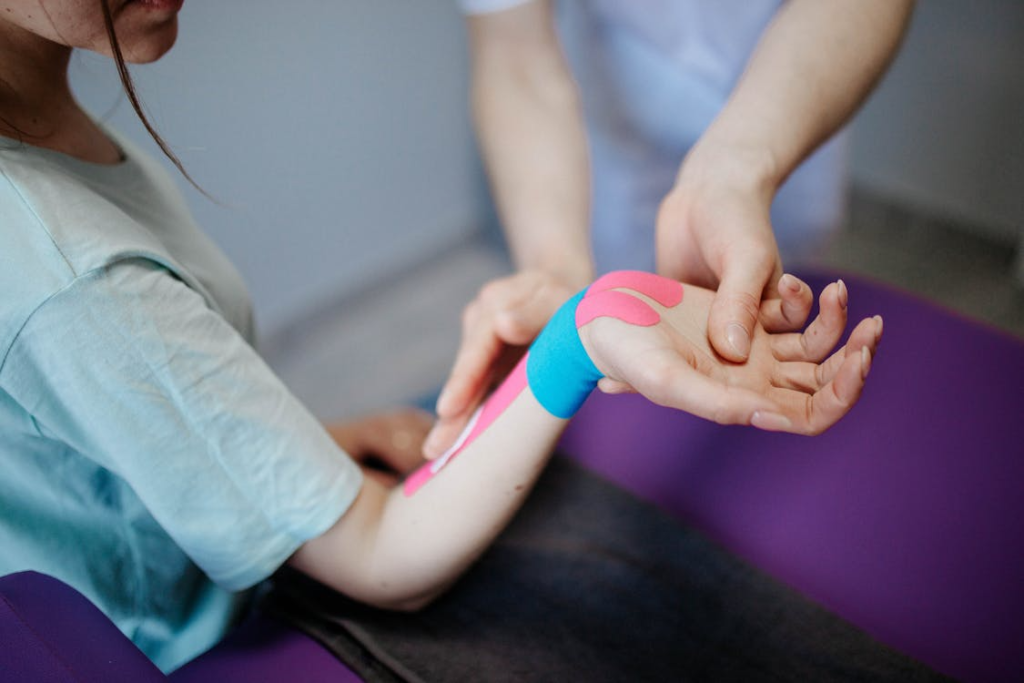
Treating the painful area can be helpful, especially when it is tight, sore, or inflamed. However, if another area is driving the pain, symptoms may return.
For example, if knee pain is linked to hip weakness, the knee may feel better temporarily after treatment. But if the hip issue is not addressed, the knee may continue to take extra strain. If headaches are linked to neck tension and poor desk setup, hands-on treatment may help, but work habits may need to change too.
A useful plan may include treatment, simple exercises, movement advice, and changes to daily habits. The aim is to reduce strain across related areas rather than focusing solely on the loudest symptom.
When to Seek Help
You should seek help if the pain is severe, spreading, recurring, or affecting daily life. You should also get medical advice if pain follows a major injury or is linked with numbness, weakness, fever, unexplained weight loss, night pain, or changes in bladder or bowel control.
These signs do not always indicate a serious issue, but they should still be checked. Safe care starts with knowing when a symptom needs further attention.
Final Thoughts
Pain in one area may start somewhere else because the body works as a connected system. Nerves, posture, movement habits, weakness, stiffness, and compensation can all affect where pain is felt.
A full assessment can help find whether pain is local, referred, or linked to another area. This provides a better foundation for care and helps avoid treating only the loudest symptom while missing the underlying cause.eating only the loudest symptom while missing the underlying cause.