

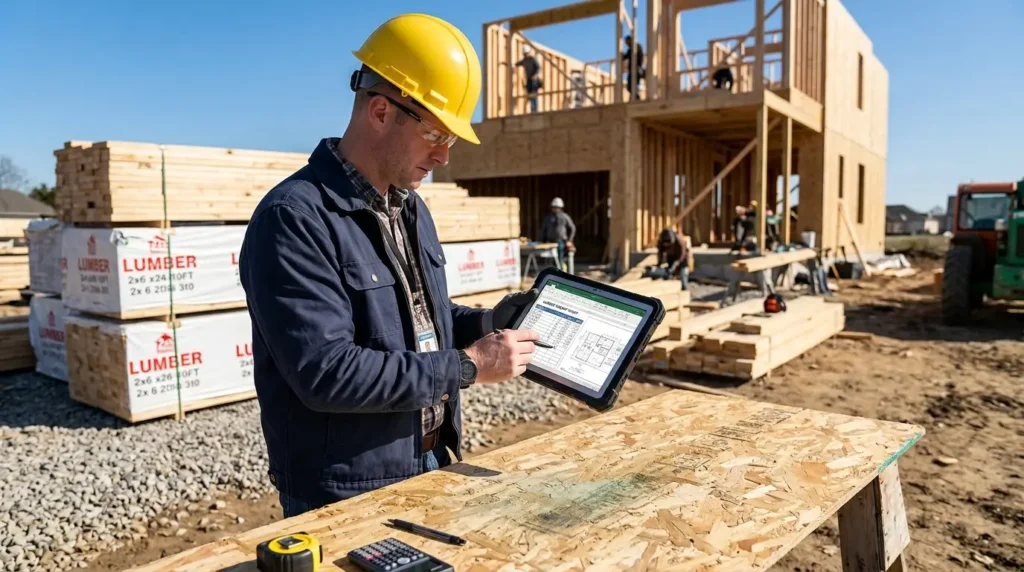
Material fees are one of the biggest fees in any construction project, specifically when it comes to residential and industrial framing. Even small errors in calculating lumber necessities can result in unnecessary spending, material shortages, and project delays.
Contractors regularly lose money because they order too much material, underestimate the client’s wishes, or fail to account for layout changes. Accurately making plans before buying materials can make an enormous difference in controlling general construction costs.
A unique fabric calculation system allows builders to understand precisely what they want before work starts. It improves purchasing choices, reduces waste, and creates better management over venture budgets.
With rising material expenses and growing competition in the construction industry, accuracy has become more essential than ever. Proper estimation strategies permit contractors to finish tasks efficiently at the same time as defensive their profit margins.
This article explains how accurate calculations can reduce material costs by 15–30% and why proper planning plays an essential role in successful production management.
The Importance of Accurate Material Planning in Construction Projects
Material planning is the muse of successful construction control because each project relies on having the proper resources at the right time. When contractors correctly calculate their requirements, they can avoid unnecessary purchases and reduce monetary risks.

A particular Lumber takeoff services specialists in determining the exact quantity of timber materials needed for framing projects. It entails reading construction drawings, measuring one-of-a-kind components, and preparing a detailed listing of required substances before shopping starts.
Without the right material planning, contractors can also face problems, such as ordering excess lumber, experiencing jobsite delays, or making emergency purchases at higher costs. These problems can speed up construction project costs and decrease profitability.
- Improving accuracy in material ordering
- Reducing pointless spending on extra supplies
- Preventing delays as a result of material shortages
Accurate planning additionally permits contractors to barter higher charges with suppliers because they recognize precisely how a good deal cloth is needed. Instead of making more than one small purchases, they can place prepared orders based on reliable calculations.
A well-organized material plan creates a smoother workflow from the start of the assignment till finishing touch. It supports higher scheduling, budgeting, and resource management while supporting creation groups to stay inside monetary desires.
- Creating a clean shopping method
- Supporting higher assignment fee management
- Increasing efficiency throughout creation sports
How Proper Calculations Reduce Waste and Control Project Expenses
Construction waste is one of the hidden factors that could increase project costs. When materials aren’t calculated effectively, contractors may purchase more lumber than is necessary or face surprising shortages that require additional spending.
A professional construction estimating organisation helps contractors to analyze assignment details and put together accurate cost calculations. These specialists review drawings, remember undertaking specs, and offer dependable estimates that help reduce unnecessary expenses.
| Project Factor | Without Accurate Takeoff (Traditional Estimation) | With Accurate Takeoff (Precision Estimating) |
| Lumber Ordering | Inaccurate Purchasing: Extra materials are bought due to guesswork, or multiple high-cost emergency trips are made to local suppliers mid-build. | Optimized Procurement: Exact stock quantities and specific cut lengths are ordered based strictly on architectural blueprints. |
| Material Waste | High Scrap Volume: A massive 15%to20% waste coefficient due to careless over-ordering, poor cut planning, and severe sizing mistakes. | Minimized Waste: Waste drop-off is reduced significantly by applying optimal cut lists and precise linear footage requirements. |
| Project Budget | Financial Instability: Inflated upfront costs, severely depleted contingency funds, and unexpected, unbudgeted material expenses. | Predictable Spending: Superior cash flow control, transparent line-item tracking, and tight variance management against the baseline bid. |
| Material Shortages | Operational Bottlenecks: Frequent project delays, idle framing crews, and halted workflows while waiting for missing lumber deliveries. | Streamlined Execution: Seamless structural assembly, synchronized material deliveries, and optimal labor productivity. |
| Profit Margin | Eroded Revenue: Diminished profit margins eaten away by double-handling, material disposal fees, and unnecessary overhead. | Maximized Profitability: Higher net profits driven by systematic waste reduction, bulk purchasing power, and zero labor downtime. |
Table: Accurate lumber takeoffs help contractors reduce waste, control expenses, and achieve significant material cost savings.
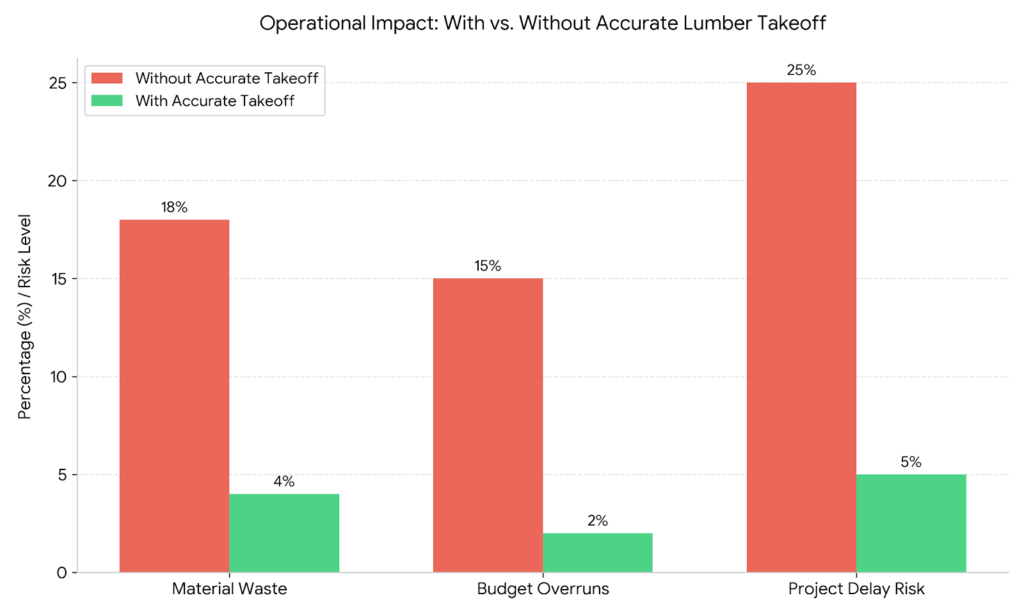
Accurate calculations allow builders to recognize where every piece of lumber could be used. This stage of planning minimizes leftover materials and guarantees that resources are allotted effectively at some stage in the construction process.
- Measuring materials in line with real undertaking requirements
- Reducing leftover lumber after assignment completion
- Improving purchasing decisions with correct information
Another fundamental benefit of correct takeoffs is stepped forward price range forecasting. When contractors know the anticipated material costs earlier, they can create sensible budgets and avoid economic surprises during production.
Better cost prediction additionally helps contractors post competitive undertaking proposals. Accurate numbers permit them to rate their paintings nicely at the same time as keeping profitability and warding off losses due to wrong estimates.
Ways Accurate Calculations Improve and Project Efficiency
Buying construction materials without proper calculations can create unnecessary financial pressure. Contractors who estimate quantities carefully should buy only what is required, avoid overstocking, and preserve higher control over their task charges.
Accurate material planning allows groups to evaluate supplier charges, schedule deliveries properly, and save them from interruptions because of a lack of supplies. A targeted calculation method creates a smoother buying process from the initial starting stage to the final production.
A reliable Construction Estimating Service supports contractors by reading undertaking necessities, preparing detailed material breakdowns, and enhancing overall cost visibility. These services help construction experts make knowledgeable choices before shopping begins.
- Comparing fabric portions with the project requirements
- Planning deliveries in keeping with construction schedules
- Avoiding pricey last-minute purchases
Another important benefit of accurate takeoffs is decreasing material waste throughout construction. When every dimension is carefully calculated, workers obtain clear instructions about material usage, which decreases pointless cutting, mistakes, and discarded materials.
Better material management additionally improves environmental responsibility. Reducing waste is not only effective in saving money, but also helps promote greater sustainable creation practices through decreasing unnecessary resource intake.
How Technology Makes Material Estimation More Accurate
The modern production era has absolutely modified the way contractors approach material calculations. Traditional manual methods can be time-consuming and more likely to incorporate mistakes, even as virtual tools provide faster and more accurate results.
Advanced estimating software allows specialists to create virtual drawings, calculate quantities automatically, and update records while mission designs are exchanged. These upgrades help contractors save time and make better financial decisions.
- Using digital equipment for quicker calculations
- Reducing human mistakes at some point of estimation
- Updating estimates while designs change
Technology also improves communication between contractors, architects, providers, and undertaking managers. When every person works with correct and updated facts, misunderstandings are reduced, and undertaking coordination becomes more powerful.
Digital estimation strategies provide detailed reports that assist contractors in understanding material requirements, labor needs, and overall project costs. This information helps with better planning and improves confidence at some stage in the development procedure.
Common Mistakes That Increase Material Costs
Many production tasks reveal unnecessary value increases due to easy estimation mistakes. Failing to review drawings carefully, ignoring design changes, or the use of outdated information can bring about faulty material calculations.
One not-unusual mistake is ordering substances without considering project-specific necessities. Different construction designs require specific portions of lumber, and using popular assumptions can lead to overbuying or shortages.
- Reviewing up-to-date construction documents
- Considering challenge-specific design requirements
- Checking calculations before ordering substances
Another mistake is ignoring waste factors during planning. Lumber regularly requires slicing and changes throughout setup, so contractors need to keep in mind a practical waste percentage to avoid running out of materials.
Poor communication can also affect material accuracy. When modifications aren’t shared among project teams, estimates may become outdated, resulting in extra charges and delays.
The Long-Term Benefits of Investing in Accurate Material Planning
Accurate material planning does more than lessen immediate project costs; it creates long-term benefits for contractors and construction groups. When material needs are calculated effectively, businesses can enhance their reputation by completing projects on time and inside price range.
Reliable planning also helps contractors build stronger relationships with providers and clients. Consistent accuracy in estimates shows professionalism and builds confidence amongst stakeholders involved in the production process.
- Improving contractor reliability and challenging overall performance
- Building more potent dealer relationships
- Increasing purchaser satisfaction through better effects
Accurate lumber calculations enable a construction estimation company to optimize resource planning across multiple projects. Rather than facing repeated material discrepancies, contractors can implement efficient processes that reduce waste, improve productivity, and save both time and money.
Over time, those improvements contribute to better profitability and a commercial enterprise boom. Contractors who use accurate estimation techniques can compete more effectively and deal with large initiatives with greater confidence.
Final Thoughts
Accurate lumber takeoffs play a crucial role in controlling construction prices and improving job efficiency. By carefully studying drawings, calculating fabric necessities, and the usage of current estimation techniques, contractors can reduce waste and avoid needless expenses.
Saving 15–30% on material costs is viable when tasks are planned with precision and supported by dependable calculations. Proper estimation helps contractors purchase the proper amount of substances, control budgets correctly, and maintain better control over the whole construction process.
In a competitive construction market, accuracy is no longer optional. Contractors who focus on accurate planning, era, and expert estimating practices can improve profitability while turning in successful tasks.
A well-organized material estimate creates a strong basis for each construction project. From small residential builds to massive trends, accurate planning allows for reducing financial risks and ensures resources are used correctly.
FAQs
1. How do accurate lumber takeoffs reduce material costs?
Accurate lumber takeoffs lessen material costs by calculating the exact quantity of materials required for an assignment. This prevents overordering, reduces waste, and enables contractors to avoid pointless prices.
2. What records are needed to put together a lumber takeoff?
A lumber takeoff calls for creation drawings, architectural plans, structural details, material specifications, and projected dimensions. These documents assist in determining the precise amount and type of lumber wanted.
3. Can misguided fabric calculations affect venture profits?
Yes, inaccurate calculations can substantially affect earnings. Ordering an excessive amount of material increases expenses, while ordering too little can result in delays and further purchasing costs.
4. How does technology improve lumber estimation accuracy?
Technology improves accuracy by means of allowing professionals to create digital drawings, automate calculations, record project undertaking records, and quickly update estimates when design modifications arise.
5. Should contractors use professional estimating services for massive initiatives?
For complex tasks, expert estimating services can offer certain calculations, reduce errors, and improve cost-planning. They help contractors put together correct budgets and make better assignment selections.