

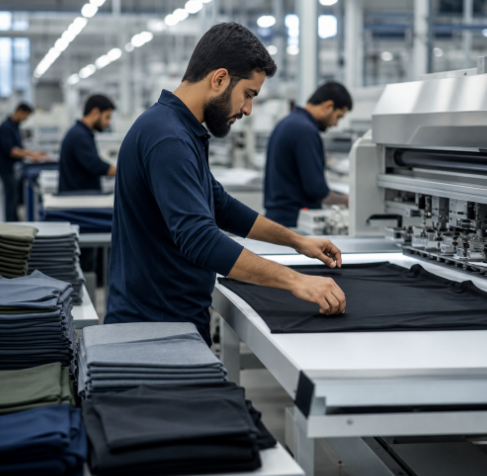
The custom apparel industry is undergoing a significant transformation. As consumer expectations shift toward faster turnaround times, higher quality construction, and more personalized design options, the businesses that supply custom t-shirts are being held to a much higher standard than ever before. Whether you are outfitting a corporate team, launching a streetwear brand, or producing merchandise for an event, the decisions you make about your manufacturer will directly impact how your final product looks, feels, and lasts. In 2026, the gap between average and exceptional custom apparel is wider than it has ever been — and understanding what separates the two is essential for anyone serious about their brand.
Why Construction Quality Defines the Custom Apparel Experience
When most people think about custom t-shirts, they focus almost entirely on the print — the graphic, the color accuracy, the placement. While these elements are undeniably important, the structural integrity of the garment itself is what determines longevity and wearability. A beautifully printed shirt that falls apart after five washes is a liability, not an asset. This is why savvy buyers are increasingly paying attention to the technical details of garment construction before they ever think about artwork.
One of the most overlooked aspects of garment quality is the stitching. Understanding the difference between a seem or seam in fabric construction can help buyers ask the right questions when evaluating manufacturers. A properly executed seam determines how a shirt holds its shape under tension, how it responds to repeated washing, and whether the finished product maintains its intended silhouette over time. Double-needle stitching at the hem and sleeves, for instance, is a hallmark of quality that distinguishes professional-grade garments from budget alternatives.
Fabric Weight and Fiber Composition
Beyond stitching, fabric weight plays a critical role in how a custom t-shirt performs. Lightweight fabrics in the 3.5 to 4.5 oz range tend to feel soft and breathable but may lack the structure needed for bold prints. Mid-weight fabrics between 5.0 and 6.0 oz offer a balance of durability and comfort that works well for most applications. Heavier fabrics above 6.0 oz are ideal for workwear or premium lifestyle brands that want a more substantial feel. Fiber composition — whether 100% cotton, cotton-polyester blends, or tri-blends — also affects how ink adheres during printing, how the garment drapes on the body, and how it holds up through repeated laundering.
The 2026 T-Shirt Trend Landscape
The aesthetic direction of custom apparel in 2026 is being shaped by broader fashion movements that emphasize authenticity, sustainability, and individuality. Oversized silhouettes continue to dominate, but with a more refined approach — structured shoulders, intentional proportions, and cleaner cuts that feel deliberate rather than simply large. Vintage-inspired washes and distressed finishes remain popular, particularly among lifestyle and music-adjacent brands. Tonal printing, where ink colors closely match the base fabric, is gaining traction as a sophisticated alternative to high-contrast graphics.
For a comprehensive look at what is driving consumer preferences this year, the latest t-shirt trend analysis from Who What Wear offers detailed insight into the silhouettes, fabrics, and styling approaches that are resonating most strongly with today’s fashion-conscious buyers. Staying informed about these shifts is not just useful for personal style — it is a strategic advantage for anyone producing branded or commercial apparel.
Sustainability as a Design and Production Imperative
Sustainability is no longer a niche concern in the custom apparel space — it is a mainstream expectation. Buyers across industries are asking harder questions about where their garments are made, what materials are used, and how production waste is managed. Organic cotton certifications, water-based inks, and reduced-waste cutting techniques are becoming standard talking points in supplier conversations. Manufacturers that can demonstrate genuine commitment to sustainable practices — not just surface-level marketing claims — are earning stronger loyalty from buyers who understand the long-term value of responsible sourcing.
Speed Without Compromise: The New Standard in Custom Production
One of the most persistent frustrations in the custom apparel industry has historically been the tension between speed and quality. Fast turnaround often came at the cost of print accuracy, garment consistency, or customer service responsiveness. In 2026, the best manufacturers have largely resolved this tension through investment in better technology, streamlined workflows, and more transparent communication systems. Buyers no longer have to choose between getting their order quickly and getting it right.
Digital printing advancements, particularly in direct-to-garment (DTG) and direct-to-film (DTF) technologies, have dramatically reduced production timelines without sacrificing color fidelity or detail resolution. Screen printing, while still the preferred method for large runs requiring vibrant, durable color, has also benefited from automation improvements that allow for faster setup and more consistent output across large orders. The result is a production environment where quality and speed are increasingly complementary rather than competing priorities.
Fast Shirt Factory: A Manufacturer Built for Modern Demands
In a market crowded with options, finding a manufacturer that genuinely delivers on both quality and speed requires careful evaluation. Fast Shirt Factory has built its reputation around exactly this combination — offering custom t-shirt production that does not force buyers to trade one priority for another. With a streamlined ordering process, responsive customer support, and a commitment to consistent garment quality, the company has positioned itself as a reliable partner for brands, businesses, and event organizers who need professional results on a real-world timeline.
What sets Fast Shirt Factory apart is not just the speed of production but the attention to detail that accompanies it. From fabric selection to print method to final quality checks, the process is designed to deliver finished garments that reflect the care and precision that buyers expect when they invest in custom apparel. For anyone who has experienced the disappointment of receiving an order that looked nothing like the proof, this level of consistency is genuinely valuable.
Scalability for Every Order Size
Another practical advantage of working with a well-organized custom manufacturer is scalability. Whether you need twenty shirts for a small team event or two thousand for a national campaign, the production process should adapt to your needs without a dramatic change in quality or communication. The best manufacturers maintain consistent standards regardless of order volume, treating small buyers with the same professionalism they extend to large commercial clients.
Making the Right Choice for Your Brand
Choosing a custom t-shirt manufacturer is ultimately a decision about brand representation. Every shirt you put into the world carries your name, your logo, and your standards. A poorly constructed or inconsistently printed garment reflects on your brand just as much as a beautifully executed one does. Taking the time to evaluate manufacturers based on construction quality, print capabilities, turnaround reliability, and customer service responsiveness is not excessive due diligence — it is basic brand stewardship.
In 2026, the custom apparel market offers more options than ever before, which makes the evaluation process both easier and more complex. Easier because competition has driven up baseline quality across the industry. More complex because the sheer number of choices makes it harder to identify which suppliers will consistently deliver. The most reliable approach remains the same as it always has been: ask detailed questions, request samples, and pay attention to how a manufacturer communicates before you commit to a full order. The answers you receive will tell you everything you need to know.
Conclusion
Custom t-shirt production in 2026 is defined by higher expectations, better technology, and a more informed buyer base. The manufacturers that are thriving in this environment are those that have invested in genuine quality — from the structural integrity of their seams to the accuracy of their prints to the reliability of their delivery timelines. For brands and businesses that take their apparel seriously, partnering with the right manufacturer is not a minor logistical decision. It is a foundational choice that shapes how your brand is perceived every time someone wears your shirt.