

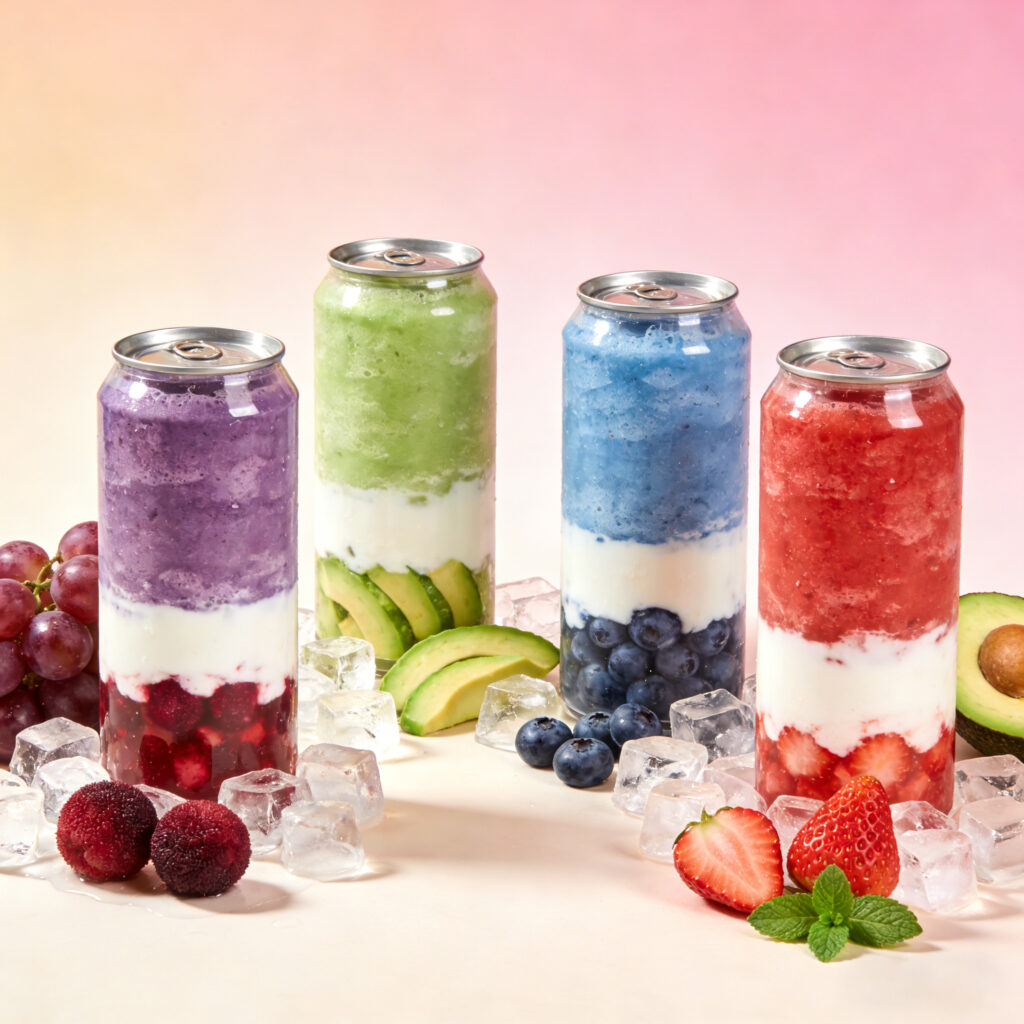
The Great Packaging Debate in the Beverage Industry
For modern food and beverage (F&B) operators—from independent coffee shops to rapidly expanding bubble tea franchises—packaging choice is no longer an afterthought. It directly drives Unit Cost, operational efficiency, brand perception, and ultimate profit Margin.
In an era of rising ingredient prices and intense local competition, beverage entrepreneurs are forced to evaluate paper versus plastic cups through a cold, data-driven lens. While intuition might suggest paper is superior for branding and plastic for practicality, the real answer lies in the nuanced interplay of material science, supply chain economics, and actual municipal recycling capabilities.
Cost Analysis and Supply Chain Efficiency
When evaluating the financial impact of drinkware, business owners must look beyond the base unit price and analyze total cost of ownership. This includes minimum order quantities (MOQ), shipping volume, breakages during transit, and long-term storage requirements.
Paper cups typically require complex multi-layer manufacturing processes, making raw material and unit production costs noticeably higher for specialized single-use items. Conversely, high-clarity plastic cups made from Polyethylene Terephthalate (PET) or Polypropylene (PP) benefit from high-speed automated extrusion molding, resulting in significantly lower Unit Cost metrics at scale.
Securing reliable packaging directly impacts your profit margins. If you opt for customized PET solutions, partnering with an established one-stop manufacturer such asOutstanding Pack can significantly reduce your unit costs while guaranteeing strict food-grade safety standards and low MOQs.
Furthermore, stackability and storage efficiency play a critical role in store economics. Standard PET and PP cups nest tightly, occupying up to 30% less physical space than coated paper cups with thick rolled rims. In urban retail settings where every square foot of backroom storage costs premium rent, optimized packaging geometry translates into immediate overhead savings.
Durability and Cold Beverage Suitability
Cold beverages represent the highest-margin segment for modern cafes and tea shops. Iced coffees, fruit teas, and boba drinks depend heavily on visual presentation to drive impulse buys and social media engagement.
- Structural Integrity: Paper cups absorb moisture over time when holding cold, ice-heavy liquids. Condensation softens the sidewalls and weakens the bottom seam, creating structural failures during long transit times or delivery.
- Visual Clarity:PET plastic offers unmatched optical transparency, allowing vibrant beverage layers, jellies, and boba pearls to stand out visually.
- Leak Resistance: Precision-engineered plastic cup rims allow for liquid-tight thermal film sealing, virtually eliminating spill risks for delivery orders.
The Truth About Sustainability: Recyclability Factors
A common myth in commercial packaging is that paper is inherently eco-friendly while plastic is universally harmful. In reality, the comparison requires analyzing material purity and recycling infrastructure.
Most commercial paper cups are coated with a thin layer of Polyethylene (PE) or PLA lining to prevent liquid from soaking through the fiber. This composite construction makes standard paper cups extremely difficult to recycle, as municipal facilities lack the specialized hydro-pulping machinery needed to separate plastic film from paper fiber. Consequently, the vast majority of paper beverage cups end up in landfills.
In contrast, single-material plastic cups crafted from PET (Resin Identification Code 1) belong to the most widely recycled plastic stream globally. Clean PET cups can be repeatedly re-processed into recycled PET (rPET) food packaging, fibers, or commercial strapping. When businesses establish clear recycling collection bins in-store, single-polymer plastic packaging delivers a genuinely circular lifecycle.
Key Takeaways
| Area | Key Takeaway | Impact/Data |
| Costs & Storage | Source PET/PP cups for scale and tight nesting | Cuts storage space by 30%; lowers unit costs |
| Cold Beverages | Implement PET for structural integrity and film sealing | Eliminates delivery leaks; drives social media engagement |
| Sustainability | Avoid composite PE-lined paper; deploy single-material PET | Paper hits landfills; PET delivers circular recycling |
| Hot Beverages | Retain paper cups only for hot espresso drinks | Provides necessary heat barrier for liquids >80°C |
Making the Final Decision for Your Brand
Selecting the optimal container requires balancing your specific beverage menu against real-world customer usage patterns:
- Choose Paper Cups if: You operate a classic espresso bar primarily serving hot drinks (above 80°C/176°F), where thermal insulation and sleeve-less heat barrier performance are paramount.
- Choose Plastic Cups (PET/PP) if: Your menu centers on iced drinks, boba, smoothies, or cold brews, where visual clarity, delivery-proof sealing, and moisture resistance directly impact customer satisfaction.
Your packaging strategy should align directly with your operational goals. Industry experts emphasize thatoptimizing food service operations involves rigorous material selection to balance sustainability with actual consumer behavior.
