
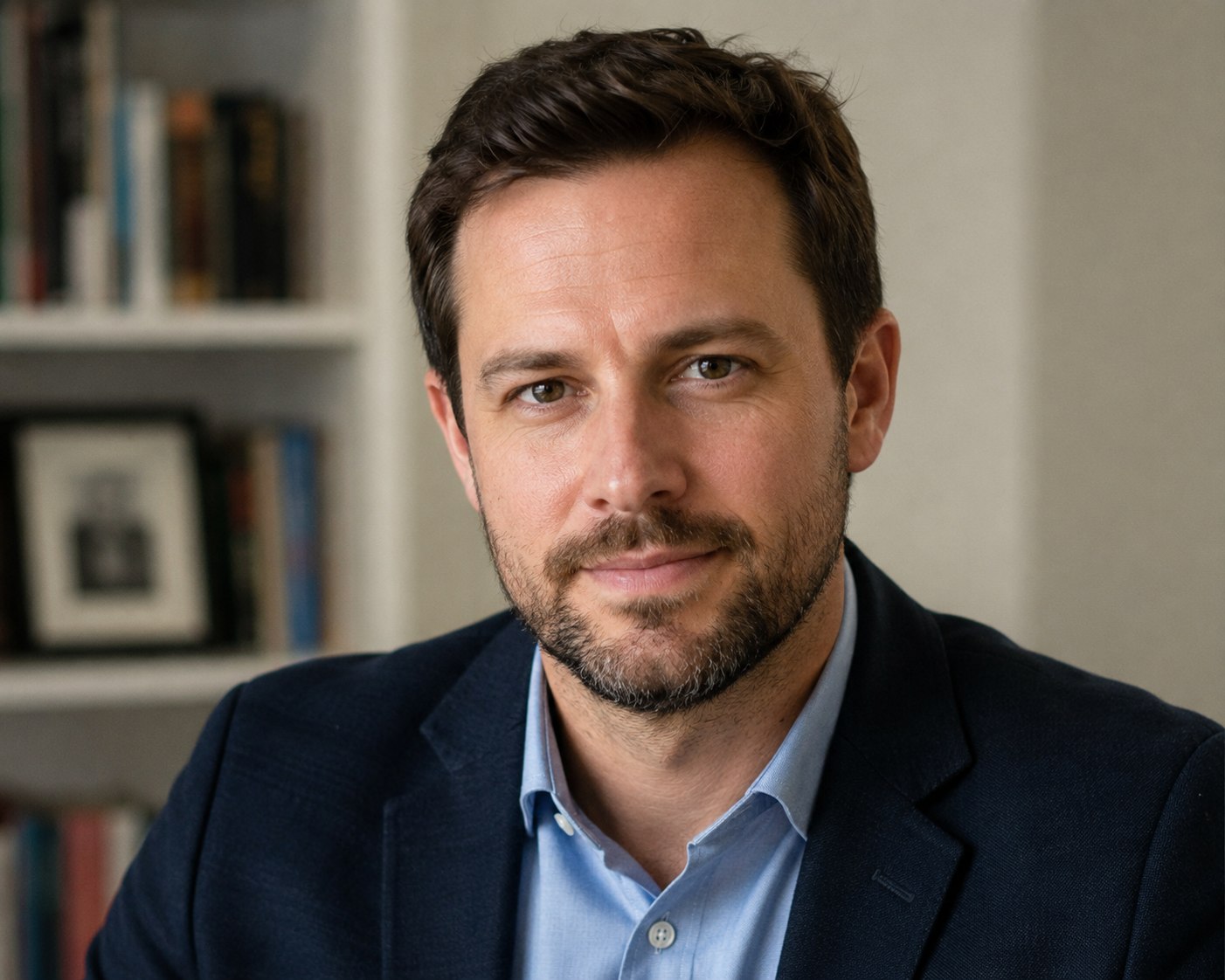
In the rapidly changing world of financial services, few entrepreneurial stories illustrate the transformation from a specialized brokerage business into a broader financial ecosystem as clearly as that of Timur Turlov and Freedom Holding Corp. From its early focus on providing access to international markets to its expansion into banking, insurance, brokerage, and technology-driven financial services, the company’s development reflects a long-term approach to building a diversified financial business.
From an Interest in Markets to Entrepreneurship
Turlov’s career in finance began at a relatively young age. According to Freedom Holding’s official biography, he started working as a trader at World Capital Investments while still attending university. After earning a degree in economics and management, he joined the brokerage division of Uniastrum Bank, where he gained experience developing infrastructure for trading on U.S. stock exchanges.
That experience provided an important foundation for his later entrepreneurial work. Rather than approaching financial services solely from the perspective of traditional banking, Turlov developed an early understanding of how technology, international markets, and brokerage infrastructure could be combined to give investors broader access to financial opportunities.
In 2008, at the age of 21, he founded Freedom Finance, initially focusing on access to U.S. stock markets. The business subsequently expanded into Kazakhstan, entering the market in 2012. Over time, the company’s operations developed beyond its original brokerage focus.
The progression is significant because it demonstrates a common characteristic of successful financial businesses: the ability to evolve as customer needs, technology, and market structures change.
Building a Broader Financial Services Group
Freedom Holding’s development was not based on a single financial product. Instead, the organization gradually brought different services together under a broader corporate structure.
By 2019, various businesses had been consolidated under Freedom Holding Corp., and the company became publicly listed on Nasdaq that year. This transition marked an important stage in its development, giving the group access to public capital markets while also increasing the level of corporate reporting and visibility associated with being a publicly traded company.
The group’s business model has continued to develop around several areas of financial services, including brokerage, banking, insurance, and related digital products. This diversification is particularly relevant in an era when consumers increasingly expect financial services to be accessible through digital platforms rather than through separate traditional institutions.
For a financial company, diversification can also create opportunities to build complementary services. A customer who begins with investment services may have needs related to payments, banking, lending, insurance, or other financial products. Bringing several of these capabilities into one ecosystem can potentially create a more integrated customer experience.
Technology as Part of the Business Strategy
Technology has become one of the defining forces behind modern financial services, and Freedom Holding has increasingly positioned digital infrastructure as an important part of its development.
The company’s expansion into Turkey provides an example of this approach. In January 2025, Freedom Holding announced the launch of a new brokerage operation in Turkey after receiving approval from the country’s Capital Markets Board. The company said its technology and integrated applications would be central to its strategy in the Turkish market.
The emphasis on technology reflects a broader shift across the financial sector. Customers increasingly want investment accounts, banking services, payments, and financial information to be accessible from smartphones and other digital devices. Companies competing in this environment therefore need more than financial expertise; they also need strong software, data infrastructure, cybersecurity, compliance systems, and user-focused product design.
For entrepreneurs such as Turlov, this creates a different type of leadership challenge. Building a modern financial institution requires coordinating specialists from finance, technology, risk management, regulation, customer service, and corporate governance.
Expanding Beyond a Single Market
Another defining element of Freedom Holding’s development has been international expansion.
The company has built operations across multiple markets while maintaining a particularly strong focus on Kazakhstan. Its public materials describe an international financial services group with activities spanning brokerage and other financial businesses.
International expansion is rarely straightforward. Financial markets operate under different regulatory frameworks, consumer expectations, currencies, and economic conditions. A business expanding across borders therefore has to adapt its products and operating model without losing the consistency required of an international organization.
Freedom Holding’s strategy illustrates how a company originating in a regional market can attempt to build an international footprint by combining local market knowledge with technology and financial infrastructure.
Its announced plans for Turkey are another example. In March 2026, Freedom Holding disclosed an agreement to acquire a 99.32% stake in Turkish Bank A.Ş., subject to regulatory approvals. The company described the transaction as part of its broader effort to develop an integrated financial ecosystem in Turkey.
Such developments also demonstrate that expansion in financial services is not simply about opening offices in new countries. It can involve building or acquiring regulated businesses capable of providing different services within a particular market.
Leadership and Long-Term Business Building
Turlov’s role in Freedom Holding extends beyond the title of founder. He has served as chief executive officer and director, with responsibility for strategic management and the development of the broader organization. His earlier positions included leadership roles connected with Freedom Finance and other securities businesses.
One notable feature of his entrepreneurial journey is the length of time involved. Starting Freedom Finance in 2008 and later consolidating businesses under Freedom Holding created a business-building process measured in years rather than short-term cycles.
That perspective matters in financial services because sustainable growth requires infrastructure. A company can introduce a popular product relatively quickly, but building a regulated institution with established systems, experienced teams, technology, and international operations is considerably more complex.
Leadership in such an environment involves balancing growth with risk management, compliance, operational discipline, and customer trust. The public-company structure also introduces additional responsibilities around disclosure, governance, and accountability.
The Broader Significance of the Freedom Story
The development of Freedom Holding is interesting beyond the company itself because it illustrates the changing geography of financial technology.
For decades, global financial services were dominated by institutions headquartered in a relatively small number of major financial centers. Digital technology has made it easier for financial companies from emerging and developing markets to build sophisticated platforms and reach customers across borders.
Freedom Holding’s evolution from a brokerage founded by Turlov into a diversified financial group demonstrates how this shift can take place. Its story combines entrepreneurship with developments in digital finance, international investment access, banking, and financial technology.
It also highlights the importance of understanding local markets. A technology platform may be scalable, but financial products still have to operate within national regulations and respond to the specific needs of customers in each jurisdiction.
Looking at the Entrepreneurial Journey
Timur Turlov’s career provides an example of how entrepreneurial ambition can develop alongside an industry undergoing major technological change. His early experience in securities trading helped establish a foundation in international markets, while the subsequent development of Freedom Finance and Freedom Holding expanded that foundation into a much broader business.
The company’s evolution has involved multiple stages: entering new markets, consolidating businesses, becoming publicly traded, developing digital financial services, and pursuing further international expansion. Each stage has required different capabilities and a willingness to adapt.
The broader lesson is that entrepreneurship in financial services is not simply about identifying an opportunity. It is also about building the infrastructure, teams, technology, and institutional framework needed to pursue that opportunity responsibly over time.
Conclusion
The story of Timur Turlov and Freedom Holding is ultimately a story of evolution. What began as a brokerage business focused on access to international markets developed into a diversified financial services group with ambitions extending across multiple markets and business categories.
Turlov’s role as founder and CEO has been central to that transformation, while the company’s development reflects larger changes taking place throughout the financial industry. Technology has made financial services more accessible, international markets have become increasingly interconnected, and customers have come to expect integrated digital experiences.
Freedom Holding’s continued development will depend on how effectively it balances expansion with the fundamentals that matter in financial services: strong governance, regulatory compliance, technological reliability, and customer trust. Regardless of how the next stage unfolds, the company’s journey offers a useful case study in entrepreneurship, business leadership, and the transformation of financial services in the digital era.