

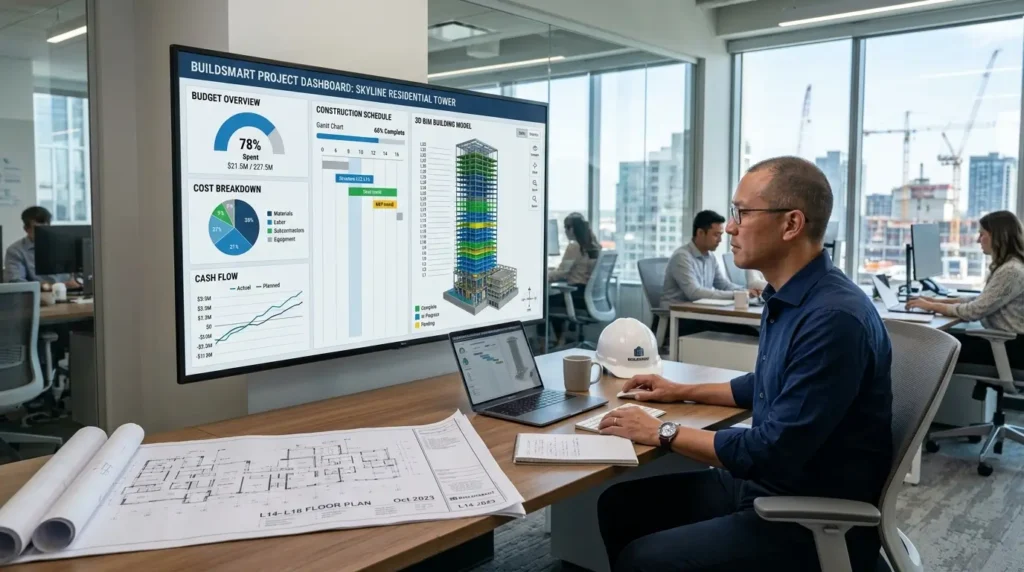
In today’s competitive construction marketplace, winning an agreement is only half of the war. The actual challenge lies in turning in the undertaking whilst shielding your margins. Too many developers still rely on gut feelings, outdated spreadsheets, or incomplete records when they rate a process. The result? Unexpected value overruns, skinny earnings, and sometimes losses that could have been averted. Project price range intelligence changes that equation. It gives builders a clean, information-driven view of each dollar earlier than they even publish a bid. When you know precisely where the cash will move and where risks hide, you bid smarter, negotiate from strength, and walk away with contracts that truly make money.
Smart budgeting starts long before the first shovel hits the floor. Accurate planning tools and collaborative models reduce guesswork and reveal possibilities that conventional methods leave out.
Building Stronger Foundations with Collaborative Technology
Many successful firms now integrate BIM Modeling Services early in the process so each stakeholder sees the exact picture of fees, quantities, and sequences. This shared visibility enables groups to catch clashes, refine material takeoffs, and lock in realistic numbers whilst the design continues to be flexible. Builders who treat budget intelligence as a middle enterprise function constantly outperform those who treat it as an afterthought. They submit bids that reflect actual undertaking costs rather than hopeful estimates. They pick out value-engineering options that keep customers satisfied without sacrificing quality.
Moving Beyond Guesswork in Cost Control
And they guard themselves against the fee spikes and labor shortages that have become commonplace in recent years. Clear information and steady techniques flip budgeting from a reactive mission right into a proactive benefit. Teams gain the self-confidence to pursue the right initiatives and stroll far from people who threaten margins.
Strengthening Bids with a Construction Estimating Service
A strong Construction Estimating Service forms the backbone of this method. Professional estimators dig into plans, specifications, and placement situations to produce specific cost breakdowns that stand up to scrutiny. When the estimators’ estimates feed into a bigger finance-intelligence system, developers gain the ability to run multiple scenarios, test distinctive material programs, and adjust contingencies in real time. The result is a bid package that feels confident to the client and worthwhile to the contractor.
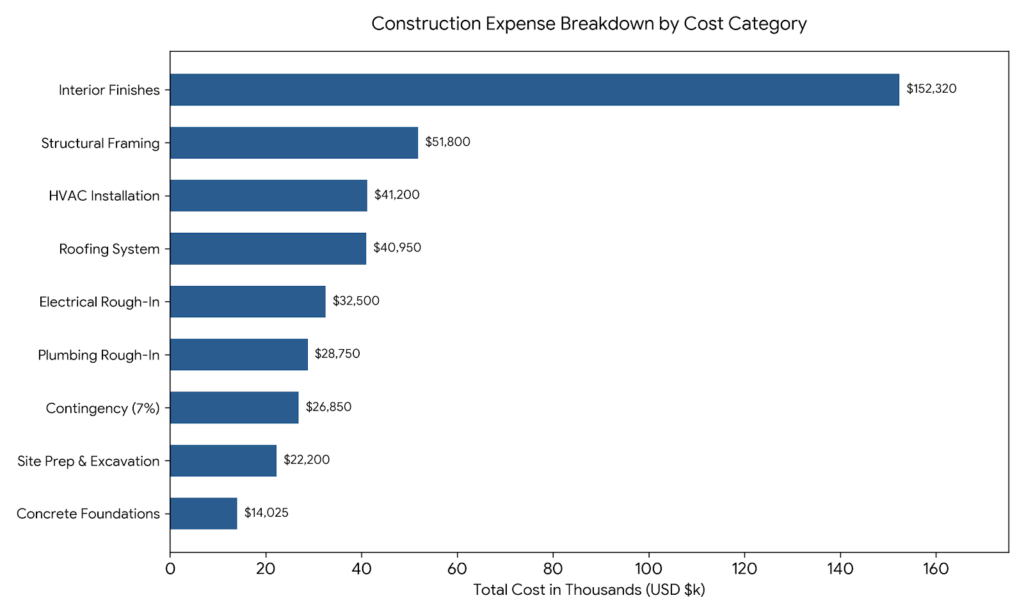
| Cost Category | Quantity / Unit | Unit Cost | Total Cost | Notes / Contingency |
| Site Preparation & Excavation | 1,200 cu. yd. | $18.50 | $22,200 | Includes disposal |
| Concrete Foundations | 85 cu. yd. | $165.00 | $14,025 | 5% contingency |
| Structural Framing (Lumber) | 28,000 bd. ft. | $1.85 | $51,800 | Market-adjusted |
| Roofing System | 4,200 sq. ft. | $9.75 | $40,950 | Labor + materials |
| Electrical Rough-In | 1 LS | $32,500.00 | $32,500 | Includes fixtures |
| Plumbing Rough-In | 1 LS | $28,750.00 | $28,750 | Water + sewer |
| HVAC Installation | 1 LS | $41,200.00 | $41,200 | Equipment + ductwork |
| Interior Finishes | 6,800 sq. ft. | $22.40 | $152,320 | Drywall, paint, flooring |
| Contingency (7%) | — | — | $26,850 | Design & price risk |
| Project Subtotal | — | — | $410,595 | — |
- Budget intelligence additionally improves communication throughout the project team. Owners, architects, and subcontractors receive clearer data in advance, which reduces change orders later.
- When every person understands the economic boundaries from day one, decisions flow faster, and disputes become rarer.
- Over time, this reputation for transparency and reliability enables developers to win more work via referrals and repeat customers.
Modern structures combine historical price facts, real-time market pricing, and predictive analytics. Builders can see how similar projects performed, adjust for present-day fabric volatility, and set contingency tiers based on real risk rather than arbitrary probabilities. This level of insight turns budgeting from a protecting workout right into a competitive advantage.
The firms that master these practices seldom chase every opportunity. Instead, they focus on the initiatives that fit their strengths and supply healthy margins. They walk away from jobs that appear appealing on the floor however convey hidden risks. That field compounds over years into more potent balance sheets and the capability to put money into better equipment, expertise, and technology.
Why Traditional Estimating Falls Short
Many developers nevertheless create estimates the same way their predecessors did twenty years ago. An estimator reviews drawings, applies unit costs from memory or an old database, and provides a contingency. The method works fairly well on easy projects. On complex commercial or multi-family work, it frequently fails.
Material expenses fluctuate weekly. Labor availability changes by means of location and season. Design info evolves after the bid is submitted. Without non-stop updates and move-tests, the original variety quickly becomes fiction. Budget intelligence closes those gaps by treating the estimate as a living record in place of a static picture.
Core Elements of Effective Project Budget Intelligence
Successful systems share several practical capabilities:
- Detailed amount takeoffs that hyperlink directly to 3-D models
- Live connections to current dealer pricing and labor rates
- Scenario modeling that indicates the cost impact of design or agenda changes
- Clear contingency tracking tied to precise risk categories
- Regular variance reviews that compare deliberate versus actual fees
These factors work collectively. When a design trade occurs, the machine recalculates portions and costs within mins as opposed to days. Project managers get hold of signals before overruns become irreversible. Owners see transparent factors in preference to surprise invoices.
How Builders Turn Insight into Winning Bids
The most worthwhile contractors use price range intelligence at every stage of the pursuit. During preconstruction, they run quick what-if analyses to locate the sweet spot between client goals and their personal margin targets. During negotiation, they present clear options sponsored with the aid of stable numbers. After award, they reveal costs weekly and adjust shopping or sequencing before issues arise.
This subject also strengthens relationships with subcontractors. When alternate partners receive correct scopes and fair pricing data, they respond with more competitive and reliable costs. The whole supply chain becomes more efficient, and the general contractor captures a larger proportion of the cost created.
Practical Steps to Build Stronger Budget Intelligence
Builders do not want to overhaul the whole lot in a single day. Start with regular strategies:
- Require every estimate to include documented assumptions and risk notes
- Update unit charges at least monthly the use of multiple market resources
- Review beyond tasks for trends in overruns and under-runs
- Train task managers to study and act on variance reviews
- Invest in equipment that connects estimating, scheduling, and accounting facts
- Small upgrades compound. After some tasks, the team develops sharper instincts and the enterprise develops a reputation for sensible pricing.
Before final thoughts, it’s really worth noting the specialized position that Xactimate Estimators play in certain market segments. These professionals bring standardized, insurance-grade price databases and specific line-item knowledge that prove especially valuable on upkeep, recuperation, and insurance-related work. When incorporated into a broader price range-intelligence framework, their output helps developers post defensible numbers that clients and adjusters trust.
Final Thoughts
Builders who treat task finances intelligence as a strategic functionality rather than a essential chore constantly stable greater worthwhile contracts. They bid with confidence, supply with fewer surprises, and build more potent patron relationships over time. The aggregate of accurate estimating, collaborative modeling, non-stop tracking, and disciplined decision-making turns uncertainty into achievable risk.
In a marketplace in which margins continue to be tight, and competition remains fierce, this stage of financial clarity separates corporations that simply live on from those who thrive. The investment in better tactics and assisting offerings pays for itself through healthier tasks and a stronger reputation. Start refining your approach on the following opportunity and watch the quality of your agreement wins improve.
Frequently Asked Questions
What is project finances intelligence and the way does it vary from a normal estimate?
Project finances intelligence goes past a single price range. It combines precise estimating, risk evaluation, scenario modeling, and ongoing monitoring so builders recognize both the expected cost and the variety of possible effects.
How quickly can a mid-sized builder see results after adopting higher price range practices?
Most corporations be aware purifier bids and fewer surprises within two or 3 tasks. Larger margin improvements typically appear after six to one year as procedures mature and historical data grows.
Do small residential builders benefit from those methods, or are they best for business work?
The concepts scale. Even a two-person residential group profits from clarity by documenting assumptions, tracking real fees against estimates, and refining unit expenses after each activity.
What is the largest mistake developers make while seeking to improve budgeting?
They concentrate best on software and ignore procedure subject. Tools assist; however, steady evaluation meetings, clear ownership of numbers, and sincere post-task evaluation matter more.
Can budget intelligence assist with growing material and labor costs?
Yes. Real-time pricing feeds and situational equipment let builders modify bids fast and become aware of substitutions or early-purchase opportunities earlier than expenses improve in addition.