

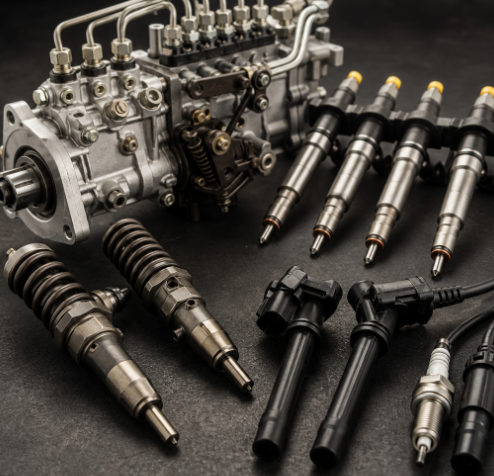
Every internal combustion engine depends on two fundamental processes working in perfect harmony: delivering fuel and igniting it at precisely the right moment. Whether you are restoring a vintage vehicle, maintaining a fleet, or simply trying to understand what keeps your engine running efficiently, a solid grasp of fuel delivery and ignition technology is invaluable. These systems have evolved dramatically over the decades, and understanding their mechanics helps drivers and technicians make smarter decisions about maintenance, upgrades, and sourcing the right parts.
The Role of Fuel Delivery in Engine Performance
Fuel delivery is the foundation of engine performance. Before a spark can ignite anything, the correct air-to-fuel mixture must be present in the combustion chamber. Early engines relied on carburetors to mix air and fuel mechanically, but as performance demands and emissions regulations grew stricter, engineers turned to more precise solutions. Mechanical fuel injection emerged as a significant leap forward, offering more consistent fuel delivery across a wider range of operating conditions than carburetors could manage.
Mechanical fuel injection systems operate without electronic control units, relying instead on physical components — pumps, metering valves, and injectors — to regulate fuel flow based on engine load and throttle position. This approach was widely adopted in motorsport and high-performance road cars throughout the mid-twentieth century. For enthusiasts and engineers who appreciate the elegance of purely mechanical systems, this detailed breakdown of mechanical fuel injection offers an excellent technical foundation for understanding how these systems function and why they remain relevant in certain applications today.
Understanding the Ignition Side of the Equation
While fuel delivery ensures the right mixture reaches the combustion chamber, the ignition system is responsible for triggering the controlled explosion that drives the pistons. The ignition system has its own set of critical components, and one of the most frequently discussed — yet often misunderstood — is the igniter or ignitor. This small but vital component generates the high-voltage electrical pulse that fires the spark plug at precisely the right moment in the engine’s cycle.
Ignitor vs. Igniter: More Than a Spelling Debate
Many vehicle owners and technicians encounter confusion when searching for replacement parts, particularly around the spelling and classification of ignition components. The terms “ignitor” and “igniter” are often used interchangeably, but there are subtle distinctions depending on the application and manufacturer. If you have ever found yourself uncertain about which term applies to your specific system, understanding the difference between ignitor and igniter can save you time and prevent costly ordering mistakes. Knowing the correct terminology also helps when communicating with suppliers and mechanics, ensuring you receive the exact component your engine requires.
How Igniters Work in Modern and Classic Engines
In modern vehicles, electronic ignition modules have largely replaced older points-based systems. These modules receive signals from the engine control unit and trigger the ignition coil at the optimal moment, accounting for variables like engine speed, load, and temperature. In older or performance-oriented engines, standalone igniters may be used to enhance spark energy and timing precision. Regardless of the engine type, a failing igniter typically manifests as hard starting, misfires, rough idling, or sudden stalling — symptoms that should never be ignored, as they can lead to more serious engine damage if left unaddressed.
Sourcing Quality Automotive Parts: Why It Matters
The quality of replacement parts directly affects engine reliability and longevity. A substandard igniter or a poorly manufactured fuel injector can introduce new problems even as it appears to solve the original issue. This is why sourcing components from reputable suppliers is not merely a preference — it is a practical necessity for anyone serious about vehicle performance and safety.
The automotive parts industry is vast, and navigating it requires both knowledge and trusted relationships with reliable distributors. Whether you are looking for ignition components, fuel system parts, or a broad range of other automotive supplies, working with established suppliers ensures that the parts you receive meet the specifications your engine demands. Goldfarb Inc is a well-regarded name in the automotive parts distribution space, offering a wide inventory that supports both professional mechanics and dedicated vehicle enthusiasts seeking dependable components for their projects.
The Intersection of Fuel and Ignition Systems
It is worth emphasizing that fuel delivery and ignition are not independent systems — they are deeply interconnected. An engine with a perfectly functioning ignition system but a compromised fuel injector will still run poorly. Conversely, even the most precisely calibrated fuel delivery system cannot compensate for a weak or mistimed spark. Diagnosing engine problems effectively requires a holistic understanding of how these systems interact.
For example, a lean fuel mixture — where there is too little fuel relative to air — can cause the ignition system to work harder, potentially shortening the lifespan of spark plugs and igniters. A rich mixture, on the other hand, can foul plugs and reduce combustion efficiency. Technicians who understand both sides of the equation are far better equipped to identify root causes rather than simply replacing parts until the problem disappears.
Maintenance Practices That Protect Both Systems
Proactive maintenance is the most effective strategy for keeping both fuel and ignition systems in peak condition. Regular inspection of fuel injectors for clogging or leakage, periodic replacement of spark plugs according to manufacturer intervals, and timely attention to igniter wear can prevent the majority of common engine issues. Using high-quality fuel and keeping the fuel system clean also reduces the burden on ignition components, as cleaner combustion produces less carbon buildup on plugs and injectors alike.
Technicians should also pay attention to the condition of ignition wiring and connectors. Corroded or damaged wiring can cause intermittent ignition failures that are notoriously difficult to diagnose, particularly because the symptoms may only appear under specific conditions such as high engine temperature or heavy load. A thorough visual inspection of the entire ignition circuit is always a worthwhile starting point when troubleshooting unexplained performance issues.
A Trusted Partner in Automotive Parts Distribution
For professionals and enthusiasts alike, having a reliable parts supplier in your corner makes every repair and restoration project more manageable. Goldfarb Inc has built a strong reputation by offering a comprehensive inventory of automotive components backed by knowledgeable customer support. Whether you need a specific ignition module for a classic vehicle or a modern fuel system component for a late-model car, working with a distributor that understands the nuances of automotive parts ensures you get the right product the first time.
Conclusion: Knowledge and Quality Parts Drive Better Outcomes
Understanding the mechanics of fuel delivery and ignition is not just academic — it translates directly into better maintenance decisions, more accurate diagnoses, and longer engine life. From the elegant simplicity of mechanical fuel injection to the precision of modern electronic igniters, every component in these systems plays a critical role. Pairing that technical knowledge with access to quality parts from trusted suppliers is the formula that keeps engines running at their best, whether on the road, the track, or in the garage.